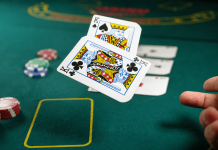
With all the ringing bells, sounds of chips being stacked, and dazzling bright lights, casino venues ooze glamor and excitement. But in the grand scheme of things, these establishments are just like any other workplace; only far noisier, busier, and more volatile.
As for the people working in these joints, aka croupiers, dealers and slot machine attendants, the working day (or night) is a fluid routine where every moment and interaction is unique and unscripted.
So, what’s it like to be in their shoes? We take a deep dive into their everyday reality, covering the skills needed to fufill the duties of these roles, and some of the tall tales that come from working out and about on the gaming floor.
Life on the Casino Floor
They say a casino never truly sleeps—and that’s very much the case for the best ones. Shifts often run late into the night, early mornings, weekends, and holidays. For staff, that means working when most people are off. Croupiers and slot attendants rotate through schedules that can change weekly, and adapting to unusual hours becomes part of the job.
The floor itself is intense. Lights flash constantly, machines beep and chime, and tables buzz with conversation. You learn quickly how to focus amid noise and distraction. Staying alert is non-negotiable, especially when money is moving across the table or a jackpot win is being verified.
Despite the chaos, the work follows strict procedures. Casinos are highly regulated environments, and every action has a protocol. That structure helps maintain fairness and security but also leaves little room for error.
The Role of a Croupier
Croupiers, also known as dealers, are responsible for running table games such as blackjack, roulette, baccarat, or poker. On the surface, it looks like shuffling cards and spinning wheels. In reality, it’s a constant mental workout.
A good croupier must calculate payouts quickly, remember betting rules, manage multiple players at once, and maintain the flow of the game. Mistakes are rare, but when they happen, they are visible and costly.
There is also an element of performance. Dealers are trained to be polite, neutral, and calm, regardless of what’s happening at the table. Whether a player is celebrating a big win or frustrated by a losing streak, the croupier keeps the game moving without reacting emotionally.

The Role of a Slot Attendant
Slot attendants are the first point of contact for many players on the casino floor. They handle payouts, machine malfunctions, player questions, and general assistance. If something goes wrong, they are usually the ones called over.
This role involves a lot of walking, constant vigilance, and strong people skills. Slot attendants must identify technical issues, verify wins, and sometimes deal with disappointed players who feel a machine hasn’t paid out fairly.
They also act as informal customer service representatives. From explaining how a game works to calming frustrated guests, the job is as much about communication as it is about mechanics.
Skills You Need to Succeed
Working as a croupier or slot attendant requires a specific mix of technical ability and soft skills.
Attention to detail is essential. Whether it’s counting chips, verifying payouts, or monitoring machine readings, accuracy matters. Small errors can lead to disputes or security reviews.
Emotional control is another key skill. Casino staff regularly interact with players who are stressed, intoxicated, overly excited, or deeply frustrated. Staying calm, polite, and professional in those moments is part of the job.
Physical stamina also plays a role. Long shifts on your feet, repetitive motions, and late hours can be tiring. Many workers say it takes months to adjust fully to the physical demands.
Training and Getting Started
Most casinos provide in-house training, especially for croupiers. Learning to deal requires mastering game rules, hand movements, chip handling, and speed. Training programs can last weeks, and trainees are assessed regularly before being allowed onto the main floor.
Slot attendants typically receive training focused on machine operation, security procedures, and customer service. While the technical side can be learned quickly, handling real player interactions takes experience.
Background checks and licensing are common requirements, depending on jurisdiction. Casinos operate under strict regulation, and employees must meet legal and ethical standards.
Stories from the Floor
Ask anyone who’s worked in a casino long enough, and they’ll tell you the stories are endless.
There are unforgettable wins. Players hitting jackpots in the middle of the night, crying, laughing, or calling family members on the spot. Staff often remember these moments vividly, even years later.
There are also tense situations. Arguments over payouts, players convinced a machine is “due,” or guests who refuse to accept losses. In these moments, staff rely on training, security teams, and clear procedures to de-escalate situations.
And then there are the strange, quiet moments. Empty floors at 4 a.m., regulars who come in every night just to talk, or players who tip generously after a small win simply because they feel lucky.

The Emotional Side of the Job
One aspect rarely discussed is the emotional awareness casino staff develop. Being around gambling constantly means seeing both joy and disappointment up close. While most players gamble for entertainment, staff sometimes witness unhealthy behavior.
Casinos train employees to spot signs of problem gambling and follow responsible gaming policies. That can include notifying supervisors or offering information discreetly, a responsibility that requires sensitivity and discretion.
For many workers, balancing empathy with professionalism is one of the hardest parts of the job.
Career Progression and Opportunities
For those who enjoy the environment, casino work can offer long-term career paths. Croupiers may move into higher-limit rooms, become supervisors, or transition into training roles. Slot attendants can advance into floor management or technical positions.
The industry values experience, reliability, and strong interpersonal skills. While entry-level roles are demanding, they can open doors to management, compliance, or specialized operational roles over time.
So, What’s It Really Like?
Working as a croupier or slot attendant is not glamorous in the way movies suggest, but it is never boring. It’s structured yet unpredictable, social yet demanding, and often rewarding in unexpected ways.
For those who enjoy fast-paced environments, interacting with people, and mastering precise skills, casino work offers a unique blend of challenge and routine. It’s a front-row seat to human behavior under pressure, with every shift bringing a new story to tell.
Behind every spinning reel and shuffled deck is a professional making sure the game runs fairly, smoothly, and safely. And once you’ve worked the floor, you never quite see a casino the same way again.